
Roofing Lead Generation: 12 Tactics That Actually Work
Effective roofing lead generation combines Google Local Services Ads, SEO, referral programs, and fast lead follow-up. Contractors who respond within five minutes win significantly more jobs. A mix of paid, organic, and word-of-mouth channels—paired with reliable call answering—consistently fills pipelines and lowers cost per acquisition over time.
Why Most Roofing Lead Strategies Fail Before the Phone Even Rings
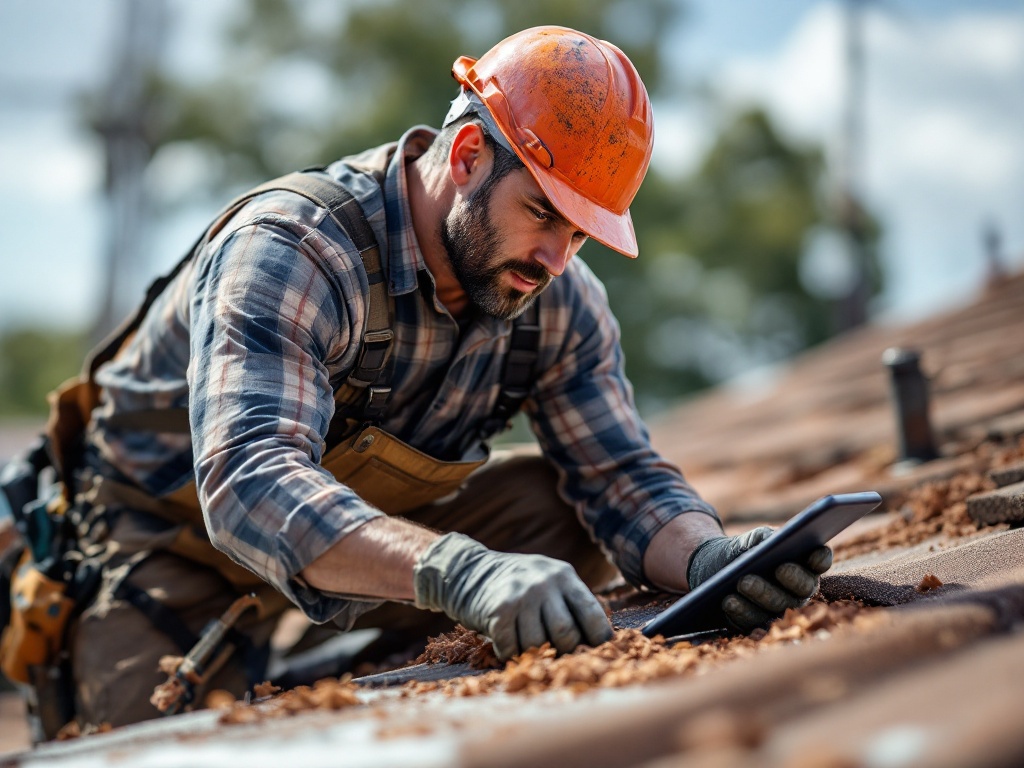
You've invested in roofing lead generation. Google Local Service Ads. Facebook campaigns. Referral programs. Maybe you're even buying leads from a third party.
Yet the phone rings—and you miss it. Or it takes you three hours to call back. By then, the homeowner has already booked someone else.
This is the gap where most roofing contractors lose. Not in finding leads. In capturing them.
According to Roofr's 2026 lead generation analysis, speed to lead is one of the top conversion factors. Homeowners don't contact one roofer. They contact three to five simultaneously. The first contractor to pick up and qualify that lead typically wins the estimate—and the job.
Here's the reality:
- A homeowner calls during your lunch on a job site. No one answers. They move on.
- An after-hours inquiry comes through your website. It sits until morning. Six other roofers have already responded.
- Your team is in the field all day. By the time someone checks voicemail, the opportunity is cold.
The tactics themselves—Google LSAs, referrals, content marketing—work fine. The system that responds to them fails.
Most roofing businesses treat lead generation and lead capture as separate problems. They're not. Answering every inbound roofing call is the bridge that turns paid traffic, referrals, and organic leads into actual estimates. Without it, your roofing lead generation spend bleeds away before the first conversation happens.
This section covers 12 tactics. But know upfront: the tactic doesn't matter if the system that answers the phone doesn't exist. Speed, availability, and qualification happen before your team ever steps foot on the estimate. That's where you win roofing leads in 2026—not in the tools you use to find them, but in the infrastructure that captures them the moment they arrive.
The Two Types of Roofing Leads (and Why the Mix Matters)
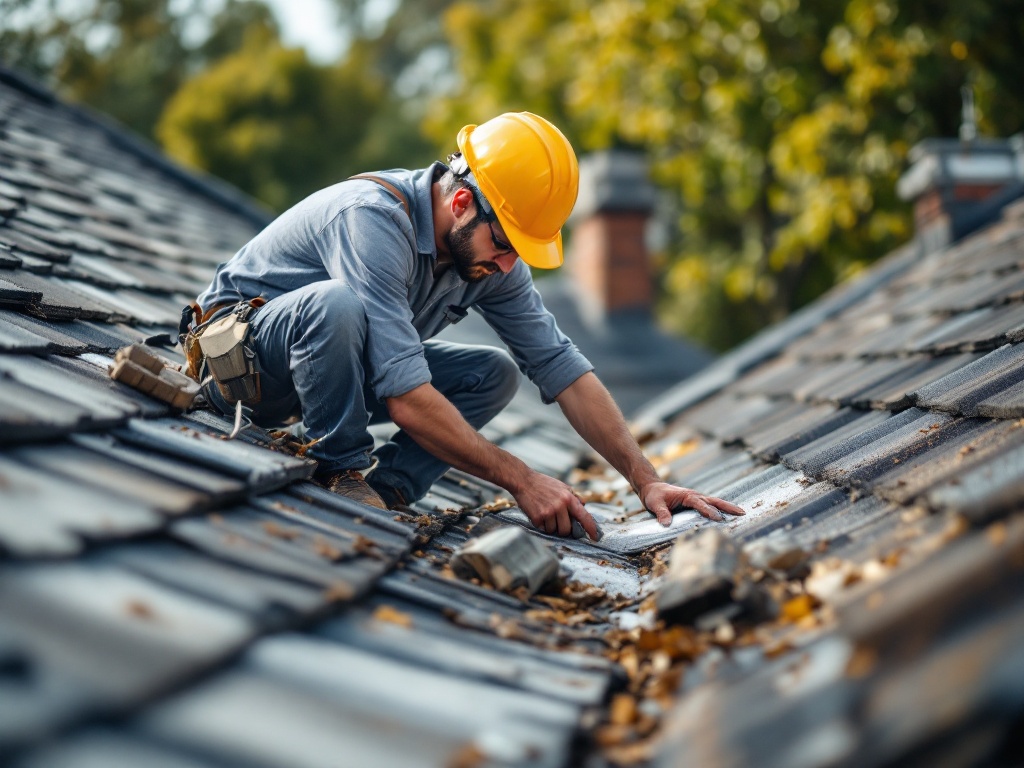
Every roofing contractor faces the same choice: build your own lead pipeline or buy leads from third parties. Understanding the difference between owned leads and purchased leads—and the tradeoffs each demands—is essential to building a sustainable roofing lead generation strategy.
What are owned roofing leads?
Owned leads come from channels you control directly: your Google Business Profile, organic search rankings, referral networks, and past customer relationships. You own the relationship and the data. The upfront cost is substantial, but once established, these channels produce leads at a fraction of the cost of purchased alternatives.
Examples include:
- Inbound calls from SEO-driven traffic
- Homeowner referrals from satisfied customers
- Repeat business from your customer database
- Direct website inquiries
A contractor who invests $5,000 in local SEO today may pay $8–15 per lead in the long term, versus $99+ per exclusive purchased lead.
According to Roofing Webmasters via ActiveProspect, exclusive purchased leads cost $99 or more—reflecting the contractor's premium for exclusivity and lower competition.
What are purchased roofing leads?
Purchased leads come from lead brokers, Local Service Ads, HomeAdvisor, and similar platforms. You pay per lead, and the platform handles generation. Two subcategories exist: exclusive leads (sold to one contractor, higher cost) and shared leads (sold to multiple contractors simultaneously, lower cost but dramatically higher competition and lower close rates).
Shared leads are the industry standard for affordability—but that affordability comes at a cost. When a homeowner's inquiry is routed to five roofing companies at once, your close rate plummets.
| Metric | Owned Leads | Exclusive Purchased | Shared Purchased | |--------|------------|-------------------|------------------| | Cost per lead | $8–15 (long-term) | $99+ | $15–50 | | Competition | None | Low | High (5+ contractors) | | Close rate | 10–30%+ | 5–15% | 2–5% | | Control | Full | Full | Minimal |
Building a balanced mix
The strongest roofing contractors don't choose one or the other—they layer them. Use owned channels to build a stable, predictable base. Supplement with shared purchased leads during slow seasons or to reach new markets. Reserve exclusive purchased leads for high-value territories where your margins justify the spend. This mix reduces dependency on any single source and maximizes your roofing lead generation ROI.
Google Local Services Ads: The Fastest Paid Channel for Roofers
Google Local Services Ads (LSAs) deliver roofing leads faster than traditional paid search. You pay only when a homeowner contacts you—no wasted clicks on unqualified traffic.
How do Google LSAs work for roofers?
LSAs appear at the very top of Google search results, above organic listings and standard Google Ads. When a homeowner searches "roofer near me" or "roof repair," your business shows up in prime real estate. The pay-per-lead model means you're charged a fixed amount per qualified contact—typically $10–$50 depending on your market. According to Roofr, Google LSAs rank among the top-tier channels for roofing lead generation in 2026.
The Google Guaranteed Badge
The most powerful LSA feature is the Google Guaranteed badge. This certification signals that your business is licensed, insured, and background-checked by Google. Homeowners see the badge and trust your company more—conversion rates climb because the friction of "is this contractor legit?" disappears.
Setup and Optimization
To launch LSAs:
- Create a Google Local Services account and submit proof of licensing and insurance
- Set your per-lead price and monthly budget cap
- Complete your business profile with photos, service areas, and response time
- Request customer reviews to improve your ranking in LSA rotation
Once live, respond to leads within one hour. Google tracks response speed and completion rate. Fast response and high completion rates push your ads higher in the results feed.
Why LSAs Beat Traditional Google Ads
Standard Google Ads require you to manage bid strategy, keywords, and landing pages—and you still pay for clicks that don't convert. LSAs skip the middleman: Google does the qualification work, and you only pay when a real lead lands in your inbox.
Budget guidance: Start with $500–$1,000 monthly to test the channel. Track your cost per lead and close rate, then scale up if ROI justifies it. In competitive markets, LSA leads often cost less than Facebook or traditional PPC while converting at higher rates because intent is already high.
SEO and Your Google Business Profile: Leads That Compound Over Time
SEO generates roofing leads that cost less over time than any other channel—but only if you build it right. According to RoofClaim, SEO ranks alongside PPC and social media as a core independent lead generation channel for roofing contractors. The difference: while PPC stops working the moment you stop paying, SEO compounds.
How does SEO generate roofing leads?
Your roofing contractor website needs three SEO layers to rank locally: service pages targeting specific repair types, local landing pages for each city and county you serve, and review signals that Google uses to rank your business. More indexed pages equal more entry points for search traffic. More reviews equal a higher trust score in Google's algorithm.
Google Business Profile: Your Local Ranking Engine
Your Google Business Profile (GBP) is not optional. Reviews directly influence Local Pack rankings—those three business cards that appear at the top of Google Maps results. Google weighs both the number of reviews and how recently they arrived. A contractor with 47 reviews posted last month ranks above one with 200 reviews from 2022. This means you need a system to collect reviews continuously, not once.
Complete your GBP fully: service area coverage, business hours, photos of completed work, service categories. Incomplete profiles get deprioritized by Google's ranking algorithm.
Why SEO Takes Time (and Why That's Good)
Expect 3–6 months before you see meaningful search traffic from a new service area page. During that window, you're not paying per click. You're building an asset. Once ranked, that page generates roofing leads indefinitely—with zero incremental cost. Learn how contractors get found online and why SEO fits into a diversified lead strategy.
The contractors winning long-term are those running SEO in parallel with PPC and social, not choosing one. SEO is the slowest to start but the cheapest to scale.
Referral Programs: Your Cheapest, Highest-Converting Lead Source
Your existing customers are your best salespeople—and they cost you nothing until they deliver a job. According to GetForesight, incentivizing referrals from existing clients ranks as the number-one roofing lead generation tactic. It works because people trust recommendations from neighbors more than ads, and referred leads close at higher rates with lower acquisition cost.
The Economics Are Simple
A $100–$200 referral credit per signed job costs far less than a purchased lead and closes at a higher rate. Compare that to $200–$500 per lead from paid channels, and the math favors internal referrals every time. You're not paying for volume—you're paying only for results.
How to Build a Structured Referral System
- Ask at the right moment. Pitch referrals on the final walkthrough, not months later. The homeowner is happy, the roof looks perfect, and they're already thinking about neighbors who need the same work.
- Make the ask specific. "Know anyone with storm damage?" beats "feel free to refer us." Give them language. Hand them referral cards with your name and phone number pre-printed.
- Track every referral. Use a simple spreadsheet or your CRM to log who referred the lead, whether it converted, and when payment's due.
- Pay promptly. Honor your promise the week the new customer signs. Delays kill your program.
Post-Storm Door-Knocking: The Offline Amplifier
After you finish a job in a neighborhood, knock on doors in a 3–5 block radius within 48 hours. Timing is critical—people recently saw storm damage or noticed your truck. This is a proven offline referral amplifier that turns one completed job into three to five qualified roofing leads. Carry the same referral cards. Work these blocks systematically and you'll triple your neighborhood conversion rate.
Social Media and Paid Social: Storm Chasing and Targeted Reach
Social media operates as a two-channel roofing lead generation system: paid campaigns that trigger immediately after storms, and organic content that builds credibility between jobs. According to RoofClaim, social media qualifies as a viable independent lead generation channel when deployed with precision timing and geographic focus.
Paid Social: Storm-Triggered Campaigns
Facebook and Instagram ads excel at roofing lead generation because of their targeting precision. Launch paid campaigns 48–72 hours after a documented hail or wind event using Facebook's zip-code and radius targeting. This window captures homeowners actively searching for contractors while damage assessment is fresh in their minds.
Structure your storm-damage ads around:
- Before/after project galleries showing completed roof replacements and repairs
- Damage-specific messaging ("Hail damage? We file the insurance claim for you")
- Local social proof (customer testimonials, Google reviews embedded in the ad creative)
- Clear CTAs (call, text, or book a free inspection)
Set your geographic radius to 3–5 miles from your service area. Storm-triggered campaigns consistently outperform seasonal advertising because homeowners have immediate, urgent need—not aspirational interest.
Organic Social: Credibility Over Direct Leads
Don't rely on organic posts as your primary lead source. Instead, use them as a trust-building supplement to paid efforts. Video content showing real jobs—roof tear-offs, storm damage documentation, material installations—demonstrates competence to homeowners researching contractors.
Post 1–2 times weekly featuring job-site walkthroughs, before/after transformations, team introductions, and customer testimonials. Organic reach amplifies paid campaigns. A homeowner who sees your storm ad, then discovers consistent project videos on your profile, moves further down the decision funnel before contacting you.
Buying Roofing Leads: What to Know Before You Spend a Dollar
Buying roofing leads is an investment—treat it like one. The difference between a quality lead vendor and a poor one comes down to three factors: exclusivity, consent verification, and intent signals.
What makes a good roofing lead vendor?
A quality vendor verifies lead consent, clearly states whether leads are exclusive or shared, and provides transparent pricing without hidden fees. According to ActiveProspect, the five best places to buy roofing leads share common traits: they verify lead consent using tools like TrustedForm, and they provide transparent pricing. A vendor worth paying for will tell you upfront how the lead was generated—whether through Google Local Service Ads, website forms, or paid advertising.
"Discover the 5 best places to buy roofing leads, plus expert tips to verify, scrub, and protect every lead with LeadConduit and TrustedForm." — ActiveProspect, activeprospect.com
Red Flags to Watch For
Shared leads are your biggest problem. Contractors on r/RoofingSales consistently report that shared leads—sold to multiple roofers simultaneously—convert at significantly lower rates than exclusive leads. Always ask your vendor point-blank: Are these leads exclusive to me, or are they being sold to my competitors?
Other warning signs include:
- Vendors who won't disclose their lead source
- Refusal to provide proof of lead consent
- Pricing that seems too cheap compared to industry standards
- No performance guarantee or money-back policy
- Lack of filtering options (geography, job type, homeowner intent)
Questions to Ask Before Committing
- Is each lead exclusive or shared?
- How is consent verified?
- What's the lead age? Leads older than 24 hours are significantly less valuable.
- Can I filter by geography, roof type, or urgency?
- What's your refund policy?
Don't rely solely on the vendor's claims. Check the first 10–20 leads: call them, verify the information is accurate, and confirm they actually requested roofing services. If quality doesn't match expectations, walk away. According to Hook Agency's 2026 rankings, Elite Call (live-transfer leads) and Roofing Webmasters rank among the top roofing lead generation companies—both meet these quality thresholds.
Speed to Lead: The Conversion Multiplier Every Roofer Ignores
You've heard it before: time kills deals. In roofing lead generation, it's not hyperbole—it's math.
According to Roofr's 2026 lead generation research, contractors who respond to inbound calls within 5 minutes convert significantly more leads into estimates than those who wait hours or days. First responders win the estimate call 80% of the time, while a two-hour delay drops that to under 40%. Speed to lead is no longer a nice-to-have—it's a top-two conversion driver for roofing lead generation.
The problem is structural. When a homeowner calls after a storm, you're on a roof. When they email after seeing your Google ad, you're in an attic three hours away. By the time you check voicemail, they've already called two other roofers.
Why the 5-minute window matters:
- Homeowners are decision-ready right now—they're comparing quotes in real time
- Your competitors are calling back within minutes if you're not
- The first verbal conversation anchors trust and price expectations
- Follow-up texts and emails don't match the conversion power of a live answer
Hiring a full-time receptionist costs $28,000–$35,000 annually and doesn't solve the real problem: someone needs to qualify that lead while you're working, not just transfer it to voicemail.
The fix: instant call answering without the overhead.
An AI voice receptionist for roofers answers every inbound call instantly—no missed rings, no voicemail tag. The system qualifies the lead in real time (storm damage? budget range? timeline?), books the estimate directly into your calendar, and sends you a summary so you can prepare before the site visit. Want to see it in action? Schedule a demo to watch the system qualify a live roofing lead.
Speed to lead stops being your weakness and becomes your edge.
Tracking Your Roofing Leads: Know What's Working Before You Spend More
You can't improve what you don't measure. Most small roofing contractors skip lead tracking altogether—or track it so loosely that they can't tell which marketing channels actually pay. The result: money gets funneled into low-ROI channels while high-performers stay underfunded.
Without per-channel lead tracking, you're flying blind. You might spend $2,000 on Google Ads, $1,500 on Facebook, and $800 on local referral networks, but have no idea which one actually closed jobs.
Set up call tracking by channel
The simplest fix is call tracking software. Tools like CallRail assign a unique phone number to each marketing source—Google Ads get one number, Facebook gets another, your website gets a third. When a prospect calls, you instantly know which channel sent them. According to Roofr's lead generation guide, tracking speed to first response matters just as much as source—but you need to know the source first.
Record where each call came from in your CRM. Add a field for marketing channel, call date and time, whether they booked an inspection, and final job value.
Calculate your real cost per lead and cost per closed job
Once you have 30–50 leads per channel, do the math:
Cost per lead = Total spend ÷ Leads generated
Cost per closed job = Total spend ÷ Jobs closed
If Google Ads costs you $150 per lead but Facebook costs $220, Google wins—unless Facebook's jobs are bigger. That's why cost per closed job is the number that matters most. Run this calculation monthly. Kill or pause channels where cost per closed job exceeds your average job margin. Learn more about tracking leads and calls for contractors to automate lead qualification on top of call routing.
Building a Roofing Lead Generation System (Not Just a List of Tactics)
The 12 tactics in this article only work if you stack them into a system—not a grab bag of disconnected channels. A roofing business relying on a single lead source is fragile. When that channel dries up, revenue stalls. Diversification protects your roofing lead generation pipeline.
Build your system in three phases:
Month 1: Foundation (Low Cost, High ROI)
Start with the two channels that demand the least spend and deliver the fastest returns:
- Google Business Profile optimization. Claim, verify, and complete every field. Post weekly. Respond to every review within 24 hours. This costs nothing and ranks you in local search.
- Referral program launch. Offer $200–$500 per qualified lead from past customers, suppliers, and contractors. According to Roofr, referrals and speed to lead follow-up are among the highest-impact tactics for filling your pipeline in 2026.
Month 3: Scale (Owned + Paid Hybrid)
Add paid channels in order of ROI:
- Google Local Services Ads (LSAs). Pay only when a lead calls or messages. Start with a $500 monthly budget.
- SEO foundation. Publish location pages and storm-damage guides. This takes 2–3 months to rank but costs far less than paid ads long-term.
Month 6: Full System
Once months 1–3 stabilize, test paid social ads and lead marketplaces with strict ROI thresholds. Never exceed 30% of monthly roofing leads from any single channel. Track everything. Which channel brought each lead? How much did it cost? Did it convert? Adjust monthly. A system beats tactics every time.
Frequently asked questions
How much do roofing leads cost?
Costs vary widely by channel. Purchased exclusive roofing leads typically run $99 or more per lead. Shared leads from brokers cost less but are sold to multiple contractors. Google LSA leads are pay-per-contact and average $30–$90 depending on market. Referral and SEO leads cost far less per acquisition once the system is running.
What is the best roofing lead generation company?
There is no single best answer—it depends on your market and budget. Hook Agency's 2026 rankings highlight Elite Call for live-transfer leads and Roofing Webmasters for SEO-driven leads. Always ask vendors whether leads are exclusive, how leads are verified, and what happens if you receive a bad lead before committing budget.
How do I generate roofing leads without buying them?
Focus on Google Business Profile optimization, consistent review collection, referral incentive programs, and neighborhood canvassing after completed jobs. These owned channels take longer to ramp up but produce higher-quality leads at lower long-term cost. Local SEO and before/after social content also generate inbound interest without ongoing per-lead fees.
How fast should I respond to a roofing lead?
As fast as possible—ideally within five minutes. Roofr.com identifies speed-to-lead as one of the most critical conversion factors in 2026. Homeowners requesting roofing estimates typically contact two to four contractors at once. The first contractor to make contact usually wins the in-person estimate appointment, making response time a top conversion driver.
Do Google Local Services Ads work for roofing contractors?
Yes. LSAs are one of the most effective paid channels for roofers because they appear above both paid search ads and organic results for local queries like 'roofer near me.' The Google Guaranteed badge also increases consumer trust. You pay per lead, not per click, which makes budgeting more predictable for small roofing operations.
Are shared roofing leads worth buying?
Generally, no—at least not as a primary channel. Shared leads are sold to multiple contractors simultaneously, so you're competing on speed and price from the moment you receive the lead. Contractors in r/RoofingSales consistently flag shared leads as low-quality. Exclusive leads cost more upfront but close at significantly higher rates.
How do I get roofing leads after a storm?
Move fast. Launch geo-targeted Facebook and Instagram ads for the affected zip codes within 48–72 hours of a hail or wind event. Simultaneously, dispatch canvassers to neighborhoods where you have existing customers. Storm leads are highly competitive and time-sensitive—the contractors who mobilize quickest capture the majority of the opportunity.
What is a good cost per lead for a roofing company?
A reasonable target depends on your average job value. Most roofing contractors should aim for a cost per lead under 3–5% of their average ticket. If your average residential roof is $12,000 and you close one in four leads, a $150 cost per lead still delivers strong economics. Track by channel to identify where to scale and where to cut.