Roofing Answering Service: What Roofers Need to Know
A roofing answering service handles inbound calls on behalf of roofing contractors — capturing storm leads, qualifying callers, booking inspections, and taking messages 24/7. Options range from live human receptionists to AI-powered systems. If you miss calls while on the roof or after hours, you need one.
Why Roofing Contractors Miss More Calls Than Most Trades
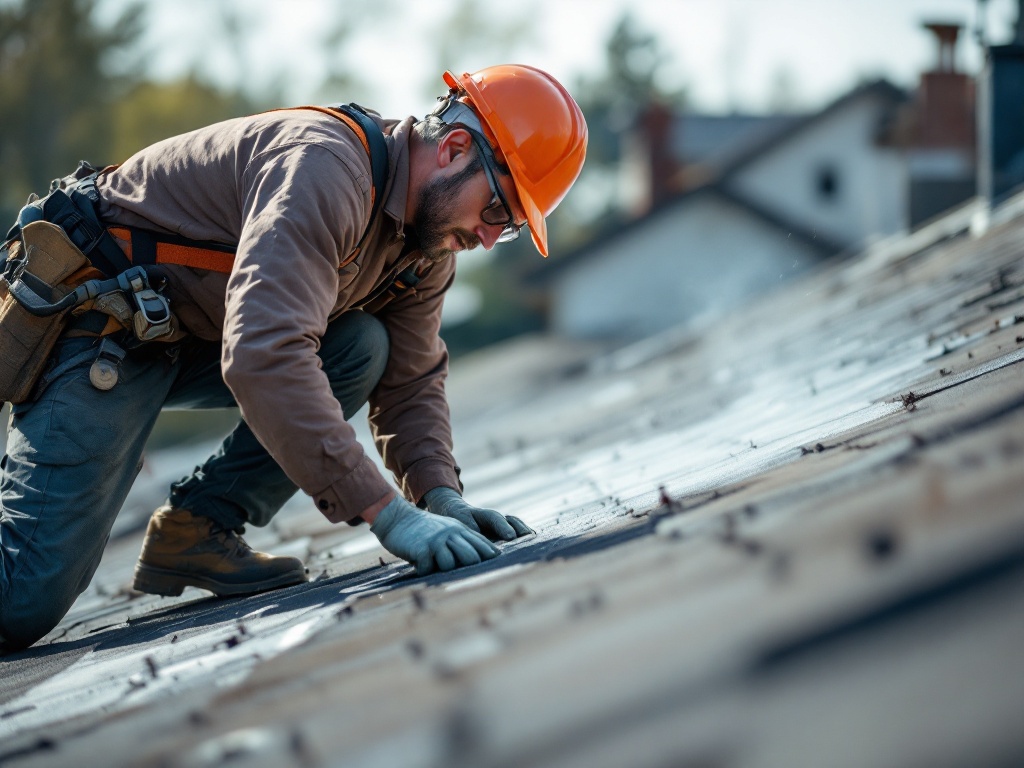
Roofers face a unique collision of operational realities that makes call handling harder than almost any other trade.
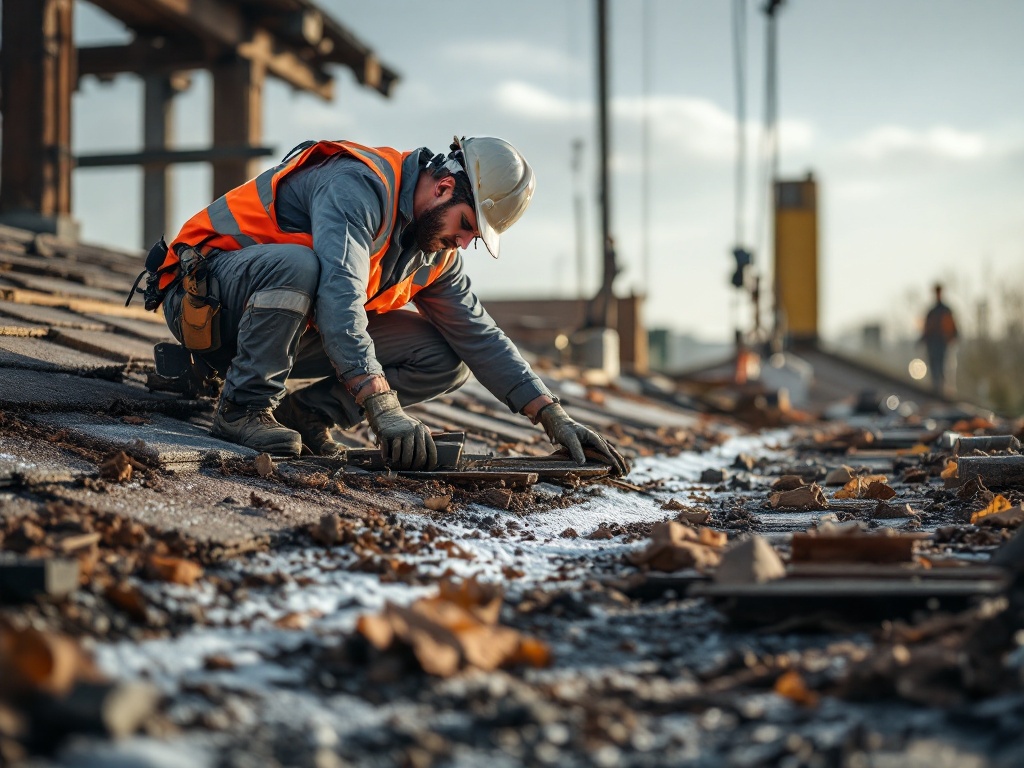
The noise problem is real. When you're operating nail guns, pneumatic grinders, and power saws on a roof deck, a ringing phone becomes background noise — or worse, a safety hazard. According to SkipCalls, roofers working at height cannot safely step away mid-task to answer calls. A missed footstep or distracted moment costs lives. Solo operators and small crews work on the tools, not in an office. There's no receptionist. There's just you, your crew, and the work.
Storm events compress months of demand into days. After severe weather, insurance-driven repair calls spike unpredictably. A hail event or hurricane can generate dozens of inbound leads within 48 hours. Your phone rings constantly. You're already booked solid on existing jobs. You can't physically answer every call, and your voicemail fills within hours.
Here's the brutal part: every unanswered call goes to your competitor. According to Direct Line Answers, homeowners with water damage or roof leaks don't wait. They call the next roofer in search results. A missed storm-surge call isn't rescheduled — it's lost revenue, potentially thousands of dollars.
Seasonality compounds the problem. Winter drives emergency roof leaks. Spring brings storm damage. Summer means full schedules. Fall requires gutter work and inspection campaigns. Your call volume doesn't match your crew capacity at any point in the year. Small operations can't hire seasonal admin staff. Mid-sized crews can't justify a full-time receptionist for three months of chaos.
The result: roofers systematically lose calls during their highest-value periods. You need a solution built specifically for trades — one that answers while you're on the pitch, captures storm leads instantly, and qualifies calls without your involvement.
What a Roofing Answering Service Actually Does

A roofing answering service handles your incoming calls 24/7, so no lead goes unanswered — whether you're on a job site, managing a crew, or closed for the day. The core functions go far beyond simple call answering. These services perform the grunt work that keeps leads moving through your pipeline.
Call Answering and Lead Qualification
When a homeowner calls about a roof problem, the answering service doesn't just take a message. According to LeadTruffle, trained agents and AI systems qualify leads by capturing critical details:
- Roof type (shingle, tile, metal, or flat)
- Age of roof (when installed)
- Visible damage symptoms (leaks, missing shingles, sagging, storm damage)
- Insurance claim vs. out-of-pocket (determines next steps and urgency)
This qualification happens during the call. A homeowner describing water stains in their attic gets routed differently than someone calling after a hailstorm. You receive pre-screened leads, not raw call logs.
Appointment Scheduling and Routing
The service doesn't just qualify — it books. According to Dialzara, these providers capture insurance details and schedule inspections directly into your calendar. Emergency calls route immediately to your phone or on-call manager. Routine inquiries get scheduled during business hours. Estimate follow-ups route to your sales team.
Bilingual Capability
Many providers offer English/Spanish bilingual support. Nexa scales roofing businesses with 24/7 virtual receptionist services that handle the language your area demands. This removes the barrier when Spanish-speaking homeowners need roof repairs.
Message Capture and Routing Rules
You set the rules. Storm-damage calls during business hours might go to your estimator immediately. After-hours emergency leaks route to your on-call technician. Warranty questions go to your office manager. The answering service logs every detail — caller name, phone, roof issue, and insurance information — so when you call back, you already know what you're walking into.
Live Agent vs. AI Answering Service: Which Is Right for Roofers?
The choice between live agent and AI answering services hinges on cost structure, surge capacity, and your call volume patterns — especially during storm season when missed calls cost money.
Live Agent Services: The Trade-Offs
Companies like AnswerForce and Nexa staff human receptionists 24/7 to answer your calls professionally. A live agent can adapt to unusual requests, show empathy, and handle complex conversations that require judgment.
The catch: per-minute or per-call pricing. Most live agent services charge $0.50–$2.00 per call or $1–$3 per minute. When a hailstorm hits your service area, call volume spikes. You answer more calls — and your bill spikes proportionally. A single storm surge can add hundreds of dollars in answering service fees on top of your already-stretched crew schedule.
AI Services: Flat-Rate Capacity
AI answering services like Onexe, SkipCalls, Dialzara, and LeadTruffle operate on flat-rate or no-per-minute pricing. You pay a monthly fee — typically $99–$299 — regardless of call volume. Handle 50 calls or 500 calls in a single day; your cost doesn't change.
According to SkipCalls, eliminating per-minute fees means you're not penalized during high-demand periods. AI systems qualify leads, capture storm-related details (damage description, insurance status), and book inspection appointments without human intervention.
"The best AI answering service for a roofing company answers missed/busy calls 24/7 while you're on a steep roof or running nail guns, captures storm leads, books inspections, and sends summaries — no per-minute fees." — SkipCalls
Head-to-Head Comparison
| Factor | Live Agent | AI Service | |---|---|---| | 24/7 Availability | Yes | Yes | | Cost Model | Per-minute or per-call | Flat monthly rate | | Storm Surge Cost | Increases sharply | Fixed | | Setup Time | 5–10 business days | Hours to days | | Handling Edge Cases | Strong | Improving; best for common roofing calls | | Simultaneous Call Capacity | Limited by staff | Unlimited |
Which Fits Your Business?
Choose live agents if you field fewer than 20 calls per day and value human judgment for complex warranty disputes or problem-solving. Budget for higher costs during storms.
Choose AI if you want predictable monthly costs and need to capture high-volume leads during peak seasons without staffing headaches. AI answering services for roofing excel at handling repetitive intake: "What's your address?" "What type of damage?" "When can we inspect?"
Most roofers benefit from AI during storm season because the cost stays flat while call volume explodes. You free up time and money to focus on actual roof jobs instead of paying per-call surcharges during your busiest weeks.
How to Evaluate a Roofing Answering Service Before You Sign Up
When you're ready to pick a roofing answering service, treat it like hiring an employee — because that's what you're doing. Here are the critical questions that separate a real fit from a costly mistake.
Integration and capability questions
Ask any vendor: Does your service integrate with my existing scheduling software or CRM? A roofing contractor using ServiceTitan, Housecall Pro, or similar platforms needs two-way sync — not manual data entry. If the answering service can't feed leads directly into your system, you've created busy work instead of saving time.
Next: Can you handle simultaneous calls during a storm surge? Storm season means multiple roofs failing at once. If your answering service caps call volume or routes overflow to voicemail, you're losing the leads you hired them to capture. Ask for specifics on their call-handling capacity during peak periods.
Third: What's your pricing model — per-minute or flat rate? Per-minute billing stacks up fast during long consultations. A flat-rate plan aligns incentives: the vendor benefits when they spend time qualifying your leads properly, not rushing calls to save money.
Script customization matters most
According to Direct Line Answers, professional roofing services need responses that are "on-brand" and specific to your business. Ask each vendor: How do you customize your script for roofing? Red flag: vendors offering rigid, generic scripts that don't ask roofing-specific qualifiers like whether a leak is active, insurance status, or property access challenges. Your roofing answering service should sound like your crew, not a robot reading from a template.
Watch these red flags
- Long setup windows (anything over 5–7 business days)
- No trial period or money-back guarantee
- Unwilling to share sample calls or script examples
- Pricing that charges per transfer or "connect fee"
Contract terms
Request a 30-day trial at minimum. This proves the service works with your call volume and customer base. Review cancellation terms — avoid contracts with 30-day notice requirements. You need flexibility if the fit isn't right. For a deeper comparison of options, see our guide to choosing a virtual receptionist for contractors.
Storm Season and After-Hours: The Two Times It Matters Most
Your roofing business faces two scenarios where a standard voicemail system costs you money: post-storm lead surges and after-hours emergency leaks. Both demand immediate response — and both expose why traditional answering approaches fail.
The Storm Surge Reality
When a major storm hits, homeowners don't call one roofer. They call three to five simultaneously. According to Direct Line Answers, the contractor who answers first books the job. The second caller hears voicemail and dials the next number in their search results. That lost call isn't just a missed estimate — it's a contract that went to your competitor.
A roofing answering service handles this volume differently than your phone system can. During peak storm season, call volume can spike 300–400% in hours. An AI-powered service scales instantly to answer every inbound call without hiring temporary staff or paying overtime. Human answering services hit capacity limits; AI doesn't.
The After-Hours Emergency Call
A homeowner discovers an active leak at 9:00 p.m. on a Saturday. They need help now, not a callback message on Monday. If your voicemail picks up, they call your competitor at 9:01 p.m. That leak customer typically authorizes emergency tarping, repair estimates, and insurance coordination — high-value work that goes to whoever answered the phone.
24/7/365 availability isn't optional. According to AnswerForce, every major roofing answering service now guarantees round-the-clock coverage. The market has moved past business-hours-only support. For roofers specifically, 24/7 after-hours call handling is the feature that pays for itself fastest.
What Sets a Roofing Answering Service Apart
A dedicated roofing service doesn't just answer calls — it qualifies them:
- Captures storm damage details before the inspection
- Books appointments directly into your calendar
- Collects insurance information to streamline claims
- Sends automated follow-ups so leads don't go cold
- Handles after-hours emergencies with the same professionalism as your office staff
The operational advantage during storm season is clear: your team stays on the roof while calls are answered, qualified, and booked automatically. No missed leads. No "I'll call you back" callbacks that never happen.
What a Roofing Answering Service Costs in 2025
Roofing answering services range from $50 to $400+ per month, depending on whether you choose AI automation or live agents — and how many calls you handle, especially during storm season.
Live Agent Services: Per-Minute Costs Add Up
Traditional live answering services charge $1–$2 per minute or flat-rate plans between $100–$400 monthly for moderate call volumes. Storm season breaks this math. A single hailstorm week can spike your bill significantly as call volume doubles or triples. According to Direct Line Answers, "missed calls cost roofers more than you think" — but so do unexpected monthly overages when per-minute fees pile up.
Per-minute pricing is a documented pain point. Contractors report frustration watching bills fluctuate unpredictably month to month, making budgeting difficult during peak season when you need the service most.
AI Flat-Rate Plans: Predictable Pricing
AI answering services for roofers typically offer $50–$300 per month flat-rate plans, with no per-minute fees. This means your cost stays the same whether you receive 50 calls or 500 calls in a month. According to Dialzara, AI handlers can capture storm surges, collect insurance details, and book inspections 24/7 — all without variable fees. See Onexe pricing for roofing contractors for a current flat-rate comparison.
Flat-rate structures remove the uncertainty that haunts live-agent models. You know your expense upfront and can scale features without meter-watching anxiety.
The ROI Math That Justifies the Cost
A single roof replacement job averages $8,000–$15,000 in contract value. One recovered call per month — a lead that would have gone to a competitor — easily covers your annual roofing answering service cost. Most roofers recoup their investment in the first month.
When you compare service tiers, ask:
- Are there per-minute charges beyond the base fee?
- Does the plan include appointment booking and lead qualification?
- Can the system handle storm-season volume spikes?
The cheapest option isn't always the best value. A $50/month AI plan that books one estimate per week outperforms a live service that costs $300/month but misses calls during your busiest hours.
Ready to Stop Missing Calls on the Roof?
Missed calls cost you real money. According to Direct Line Answers, missed calls hit roofing contractors harder than most trades — storm season creates call spikes you can't predict, and voicemail doesn't close jobs.
The fix is simple: let an AI answer your phone while you're working. Onexe is built specifically for home-services contractors like roofers. It answers calls, qualifies leads, books inspections, and sends quotes — all while you're on the job. No back-and-forth between you and a dispatcher. No calls dropped during peak season.
Setup takes minutes on your existing phone number. No IT background needed. You keep your current number, and Onexe handles the rest.
What happens:
- Customer calls with a leak or roof damage
- Onexe answers, gathers details, and captures insurance info
- Inspection gets booked directly into your calendar
- Quote goes out automatically
You check in when you're back at the office. Storm season becomes predictable instead of chaotic.
Ready to stop leaving money on the table? Book a live demo to see Onexe handle a real roofing call and watch how it fits your current workflow.
Frequently asked questions
What is a roofing answering service?
A roofing answering service handles inbound calls for roofing contractors when they can't answer — qualifying leads, booking inspections, capturing insurance details, and taking messages. Services are staffed by live human receptionists or powered by AI, and most operate 24/7 including evenings, weekends, and holidays.
How much does a roofing answering service cost?
Live agent services typically cost $1–$2 per minute or $100–$400 per month for moderate call volumes, with costs spiking during storm season. AI-based roofing answering services usually offer flat monthly plans from roughly $50–$300 per month. Given that a single booked roofing job often runs $8,000–$15,000, even one recovered call per month covers the annual cost.
Can an answering service handle storm surge calls for roofers?
Yes, and this is one of the strongest use cases for a roofing answering service. AI answering services handle multiple simultaneous calls during a storm event without per-call cost increases. Live agent services can handle surges too, but per-minute billing means costs spike significantly when call volume jumps after a major storm.
What information should a roofing answering service collect from callers?
At minimum: caller name and contact number, property address, roof type (shingle, tile, metal, flat), approximate age of roof, description of visible damage, whether the job is an insurance claim or out-of-pocket, and preferred appointment time. A well-configured roofing answering service delivers a completed lead profile, not just a callback number.
Will a roofing answering service work with my existing phone number?
Yes. Most modern roofing answering services — both live agent and AI — work by forwarding calls from your existing business number, either on all calls or only when you don't answer. You keep your number. Setup typically takes less than a day and requires no technical expertise.
Is a live answering service better than an AI answering service for roofers?
It depends on your priorities. Live agents feel more personal but cost more per call and may not handle simultaneous storm-surge volume efficiently. AI services are available instantly, never busy, and cost the same whether you get 5 calls or 500 in a day. For most small roofing operations focused on lead capture, AI performs well.
Do roofing answering services offer bilingual support?
Some do. Nexa explicitly offers bilingual English and Spanish receptionists for roofing contractors. AI-based services vary — some support Spanish natively, others are English-only. If a significant portion of your customers speak Spanish, verify bilingual capability before signing up with any roofing answering service.
Can a roofing answering service book appointments directly into my calendar?
Yes. Most full-featured roofing answering services offer appointment scheduling. The better ones integrate with contractor scheduling tools or use shared calendar access to book inspections in real time during the call. Confirm integration compatibility with your existing software before committing to a service.